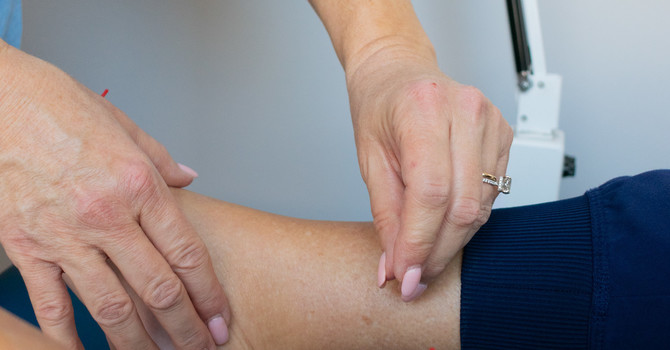
An acupuncture practitioner inserts thin metal needles through the skin at strategic points (known as acupoints) on the body. According to Johns Hopkins Medicine, traditional TCM texts and teachings reference more than 2,000 acupoints on the human body, which are believed to be connected by pathways (meridians) along which energy (known as qi) flows throughout the body. Balance in this energy flow leads to overall health, whereas disruption of qi is believed to cause disease.
By stimulating specific points along these meridians with needles, TCM practitioners believe energy flow can be rebalanced, thereby restoring health, according to Mayo Clinic.
Acupuncture is only one approach used by TCM practitioners, who also recommend herbal remedies, body work called tui na, and guidance on nutrition, lifestyle, tai chi, and other therapies, for example.Over the years, researchers in the U.S. have examined acupuncture to identify the mechanisms behind it. “We know so much more about how acupuncture works now,” says Rosanne Sheinberg, MD, a medical acupuncturist and the director of integrative medicine for anesthesiology and critical care medicine at Johns Hopkins Hospital in Baltimore.
For one thing, they discovered that acupoints aren’t random sites on the body. “Scientists took tissue samples from those points and looked at them under a microscope. They found that the tissues have anatomic characteristics that make them different from other points in the body,” Dr. Sheinberg says.
According to a past review, microscopic examinations found that acupoints have a high density of nerve endings, fibers that mediate hot and cold sensations, and a high concentration of mast cells. Mast cells are white blood cells that contain vital immune-regulating chemicals such as histamine, heparin, cytokine, and growth factors.
Acupuncture needles are inserted into the fascia, a type of connective tissue that wraps around every muscle and organ in your body. “The fascia itself is richly innervated with the autonomic nervous system, which is that involuntary part of the nervous system,” says Sheinberg.
Michele Putnam
Contact Me